
Northwest Ohio Pond Care
Ohio Pond Maintenance Calendar
Ohio pond care changes with the weather, and Northwest Ohio rarely follows a perfectly predictable schedule.
A pond in Toledo, Perrysburg, Sylvania, Maumee, Bowling Green, or Findlay may experience late spring freezes, rapid warmups, humid summer heat, heavy fall leaf drop, and repeated winter freeze-and-thaw cycles. Pond maintenance should follow both the calendar and the property’s actual conditions.
This year-round guide provides a practical seasonal framework for ornamental fish ponds, farm and acreage ponds, HOA and retention ponds, fountains and water gardens. Use it to plan routine maintenance, recognize developing problems, and decide when a pond may need professional evaluation.
Jump to a Season
Seasonal Overview
Ohio Pond Maintenance at a Glance
March–April
Early Spring
Inspect winter damage, remove accumulated debris, evaluate fish behavior, and check pumps, filters, aeration, and water levels before restarting equipment.
May–June
Late Spring
Monitor algae and plant growth, inspect aeration, start fountains appropriately, and correct erosion or equipment problems before summer.
June–August
Summer
Watch fish behavior, oxygen and circulation, maintain equipment, manage algae carefully, and inspect the pond after storms and heat waves.
September–November
Fall
Keep leaves and dead vegetation out of the water and prepare fish, pumps, filters, fountains and aeration equipment for winter.
November–March
Winter
Monitor ice, snow, water level and winter equipment safely while following the pond-specific plan for fish and gas exchange.
Use the Calendar as a Guide, Not a Timer
National Weather Service climate normals place Toledo’s average last 32°F spring freeze around April 26 and its average first fall freeze around October 17. Actual dates can occur substantially earlier or later.
Pond depth, sun exposure, water temperature, fish, equipment, and location all affect seasonal timing. Check actual conditions and follow the equipment manufacturer’s instructions instead of turning every pond system on or off based on a single fixed date. See the National Weather Service frost and freeze information.
Early Spring Pond Maintenance in Ohio
Early spring in Northwest Ohio is a transition period. Ice may disappear even as overnight freezes remain possible, and a sunny week can be followed by cold rain or snow. Begin with inspection and cleanup rather than rushing into a full summer operating schedule.
Inspect the Pond After Winter
Walk around the pond from stable ground and look for changes that occurred during winter.
Take photographs during this first inspection. They create a useful baseline for comparing water levels, shoreline erosion, plant growth, and algal conditions later in the season.
Remove Accumulated Debris
Remove accessible leaves, branches, and dead plant material before warmer weather accelerates decomposition. A smaller ornamental pond may need skimmer cleaning and settled-leaf removal, while a larger farm or retention pond may only need shoreline debris cleanup.
Do not automatically drain or aggressively clean every pond in spring. The appropriate amount of cleaning depends on the pond type, fish, plants, equipment and amount of accumulated material. Learn more about pond cleaning and cleanout services.
Inspect Pumps, Filters and Plumbing
Replace visibly damaged parts before operation. Electrical problems, damaged outlets or questionable wiring should be handled by an appropriately qualified professional.
Observe Fish Before Feeding Heavily
Watch how fish move, breathe and respond as the pond warms. Do not base feeding decisions on one warm afternoon. Use water temperature, fish species and the fish-food manufacturer’s directions.
Fish gathering near an inflow, waterfall or surface may indicate an oxygen, circulation, temperature or water-quality concern. Sudden fish loss, unusual behavior or persistent surface gulping deserves closer evaluation.
Watch for Early Algae and Vegetation
Early growth is easier to evaluate before it covers a large area. Photograph the growth and note where it appears. Avoid selecting a product based only on water color—filamentous algae, suspended algae, duckweed, submerged weeds and shoreline plants require different approaches.
Early Spring Checklist
Late Spring Pond Maintenance
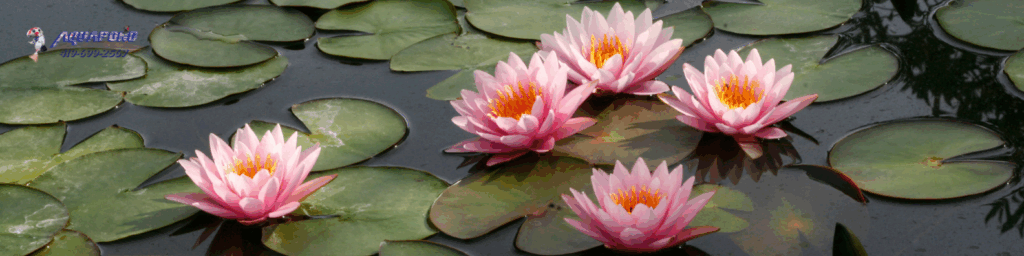
By late spring, ponds around Toledo and Northwest Ohio are becoming more active. Aquatic plants grow faster, algae become more visible, fish activity increases, and fountains and aeration systems enter their regular operating season.
Monitor Plant Growth Before It Becomes Overgrowth
Identify desirable plants, nuisance growth and shoreline vegetation before cutting or treating anything. Not every aquatic plant is harmful; appropriate plants can provide habitat, shade and visual interest.
Cattails and aggressive shoreline growth should be addressed before access becomes difficult or large amounts of dead vegetation enter the pond. See AquaPond’s cattail and shoreline vegetation control services.
Check Aeration Performance
Inspect compressors, air lines, diffusers, cabinets, and electrical connections. Look for reduced bubbling, unusual noises or areas receiving less circulation than expected.
A bottom-diffused system that has been off for an extended period may require a gradual startup procedure. Follow manufacturer guidance or a pond-specific recommendation. Learn more about pond and lake aeration systems.
Start and Inspect Fountains
Inspect the float, intake, nozzle, cable, controls, and anchoring system before operation. Once running, confirm the spray pattern is even and that wind is not carrying excessive water outside the pond.
If the fountain trips a breaker, loses flow, makes unusual noise, or sits unevenly, shut it down and investigate the cause. See AquaPond’s pond fountain services.
Inspect Shorelines and Drainage Areas
Spring rain can move soil, mulch, grass clippings and other material toward the pond. Check for:
Removing material from the pond without addressing recurring erosion or runoff may provide only temporary improvement.
Late Spring Checklist
Summer Pond Maintenance in Ohio
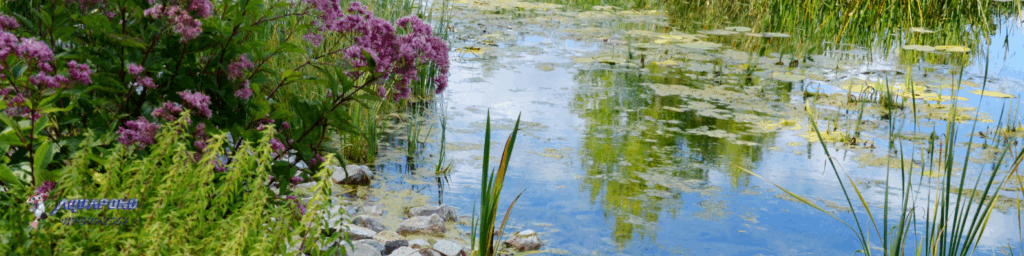
Summer is often the most demanding season for an Ohio pond. Warmer water can hold less dissolved oxygen, biological activity increases, and hot, calm weather can expose weaknesses in circulation or equipment.
Watch Fish Behavior Closely
Observe fish in the early morning, after extended heat, following storms, and after equipment outages. Fish repeatedly gathering at the surface, waterfall, or aerator may indicate an oxygen, circulation, temperature, or water-quality problem.
Sudden loss of fish, severe lethargy, or persistent surface gulping requires attention. Avoid assuming that adding a random product will address the cause.
Keep Aeration and Circulation Equipment Working
Inspect aerators, fountains, pumps, and filters regularly. Reduced flow, weak bubbling, clogged intakes, tripped breakers or unusual equipment noise can signal a problem before the pond visibly declines.
Manage Algae Carefully
Identify the type and extent of algae before selecting a treatment. Mechanical removal, circulation improvements, vegetation management, labeled pond products or a broader maintenance plan may be appropriate.
When using an aquatic product, follow the current label, application directions, and water-use restrictions. Do not use a universal dosage copied from an unrelated product or website.
Check Water Level and Equipment
Evaporation, splash, and plant use can lower ornamental pond levels during hot weather. A slow decline may be seasonal; rapid or ongoing water loss can indicate a leak, a plumbing issue, a blocked intake, or fountain overspray.
Inspect the Pond After Heavy Storms
Summer storms can wash sediment, fertilizer, grass clippings, mulch, and other material into a pond. Check:
Avoid Excessive Feeding
Feed ornamental fish according to species-specific and food-manufacturer guidance. Uneaten food adds organic material and can contribute to water-quality problems.
Summer Pond Warning Signs
For more warm-weather guidance, read AquaPond’s Mid-Summer Ohio Pond Survival Guide.
Summer Checklist

Fall Pond Maintenance in Ohio
Fall maintenance determines how much organic material remains in the pond through winter. In Northwest Ohio, leaf management and equipment planning should begin before the first hard freeze.
Keep Leaves Out of the Pond
Install properly supported pond netting over smaller ornamental ponds before heavy leaf fall, or skim leaves frequently. Remove leaves from skimmers and pond edges before they sink. Netting should not create a wildlife hazard and should be managed before heavy snow or ice loads.
Remove Dead Vegetation
Cut back dead or dying ornamental pond plants as appropriate for the species. Remove loose vegetation rather than allowing it to decay in the water. Larger farm and retention ponds should be managed selectively rather than stripped of all habitat.
Evaluate Muck Before Winter
Soft-bottom material, odors, and shallow shoreline areas may indicate the presence of accumulated organic muck. Fall cleanup can reduce the amount of new material entering the pond, but existing buildup may require a separate management plan.
Learn about pond muck removal and management.
Adjust Fish Feeding as Water Cools
Base feeding on water temperature, fish species and food-manufacturer instructions—not the calendar date or afternoon air temperature.
Create an Equipment Winterization Plan
Decide which equipment will:
The answer depends on the pond, fish, equipment, and manufacturer guidance. Do not assume every pump, waterfall, fountain or aerator should remain in its summer configuration through an Ohio winter.
Inspect Shorelines Before Freeze-Thaw Weather
Address loose stones, exposed liner, unstable edging, erosion and damaged plumbing before repeated freezing and thawing make repairs more difficult.
Read AquaPond’s Ohio fall pond maintenance guide.
Fall Checklist

Winter Pond Maintenance in Ohio
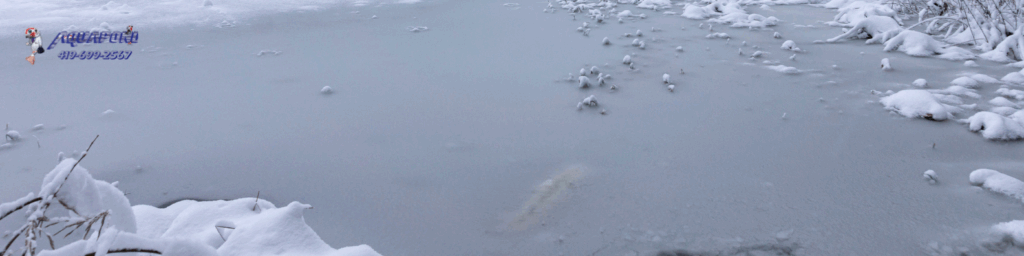
Winter is quieter, but it is not maintenance-free. Priorities include protecting fish where present, preventing equipment damage, monitoring water levels, and safely maintaining the winter plan selected for the pond.
Monitor Ice and Gas Exchange Safely
If fish remain in an ornamental pond, the winter plan may include a pond-safe de-icer, aeration, or another method to maintain gas exchange. Equipment placement and operation depend on pond depth, fish, and system design.
Do not pound or chop ice with a hammer, and never walk onto questionable pond ice to perform maintenance. Inspect equipment from shore whenever possible.
Check Winter Equipment Regularly
After strong wind, snow, ice, or a power outage, check for:
Do Not Feed Fish According to the Calendar Alone
Fish metabolism and feeding behavior are connected to water temperature. Follow species-specific and food-manufacturer guidance rather than feeding because of an unusually warm winter afternoon.
Watch Snow and Water Levels
Observe conditions from a safe location. Waterfalls and streams that remain active can form ice that redirects water outside the pond, so monitor them for ice dams and declining water levels.
Protect Stored Equipment
Store removed pumps, fountain components, filters, ultraviolet clarifiers, and related equipment according to manufacturer directions. Label parts and photograph connections to make spring reassembly easier.
Read AquaPond’s Winter Pond Care Guide for Northwest Ohio.
Winter Checklist
Year-Round Planner
Month-by-Month Ohio Pond Calendar
Monitor winter equipment, water levels, ice, and snow safely. Record problems for spring service.
Begin inspecting winter damage when conditions are safe. Remove accessible storm debris.
Complete spring cleanup, inspect equipment, evaluate fish and plan aeration or fountain service.
Monitor plant growth, algae, water clarity, shorelines and equipment.
Confirm summer aeration, clean intakes, and inspect after heavy rain.
Monitor fish behavior, oxygen levels, algae, water levels, and equipment during hot weather.
Begin leaf control and winter planning while monitoring late-summer algae.
Remove leaves and dead vegetation and finalize equipment winterization.
Complete winter shutdown or operating changes and begin winter monitoring.
Seasonal Maintenance by Pond Type
A backyard koi pond and a two-acre farm pond should not follow the same maintenance routine. Use the seasonal calendar as a framework, then adjust it to the pond’s size, use, equipment, and aquatic life.
Ornamental Fish Ponds
- Fish behavior and feeding
- Pumps, filters, and skimmers
- Water levels and leaks
- Leaves and bottom debris
- Aquatic plants
- Winter de-icing or aeration plan
Farm and Acreage Ponds
- Shoreline erosion and runoff
- Fish habitat and behavior
- Aeration and circulation
- Algae and aquatic vegetation
- Muck and lost depth
- Livestock or irrigation use when applicable
HOA and Retention Ponds
- Inlets, outlets and drainage structures
- Erosion and sediment deposits
- Fountain and aeration operation
- Shoreline appearance and access
Fountains and Water Gardens
- Pump and nozzle cleaning
- Electrical and control equipment
- Aquatic plant care
- Splash and evaporation
- Filters and intake screens
- Fall removal and winter storage
When a Maintenance Calendar Is Not Enough
A seasonal calendar helps with prevention and routine observations, but some pond conditions require diagnosis rather than additional maintenance.
Consider professional pond evaluation when you notice:
Common Questions
Ohio Pond Maintenance FAQs
When should I start spring pond maintenance in Ohio?
How often should I inspect my pond?
Should pond aeration run all year?
When should I stop feeding pond fish in Ohio?
Does every Ohio pond need to be cleaned each spring?
What should I do after a major storm?
Can I use the same calendar for a farm pond and koi pond?
Does AquaPond offer seasonal pond maintenance?
Additional Ohio Pond Resources
Ohio Department of Natural Resources Pond Management Resources →
National Weather Service Toledo Frost and Freeze Climatology →
Pond Maintenance in Northwest Ohio
Need a Pond-Specific Maintenance Plan?
A maintenance calendar can help prevent avoidable problems, but it cannot diagnose algae, fish stress, muck, odor, or poor circulation. AquaPond can inspect the pond and recommend a pond-specific maintenance plan.
Most professional service projects begin with a paid Pond Analysis Visit. If you approve the recommended AquaPond service, the visit fee is applied as a credit toward the work.