
Pond Muck Removal and Maintenance
As spring arrives, there is nothing better than dipping your feet or even going for a swim in a clean, inviting pond surrounded by lush greenery and open skies. Unfortunately, that experience can quickly be spoiled by several inches of muck and sludge waiting at the bottom.
No one enjoys stepping into it, and even fish and local wildlife thrive better in cleaner conditions. The good news is that pond muck can be managed and removed with the right approach.
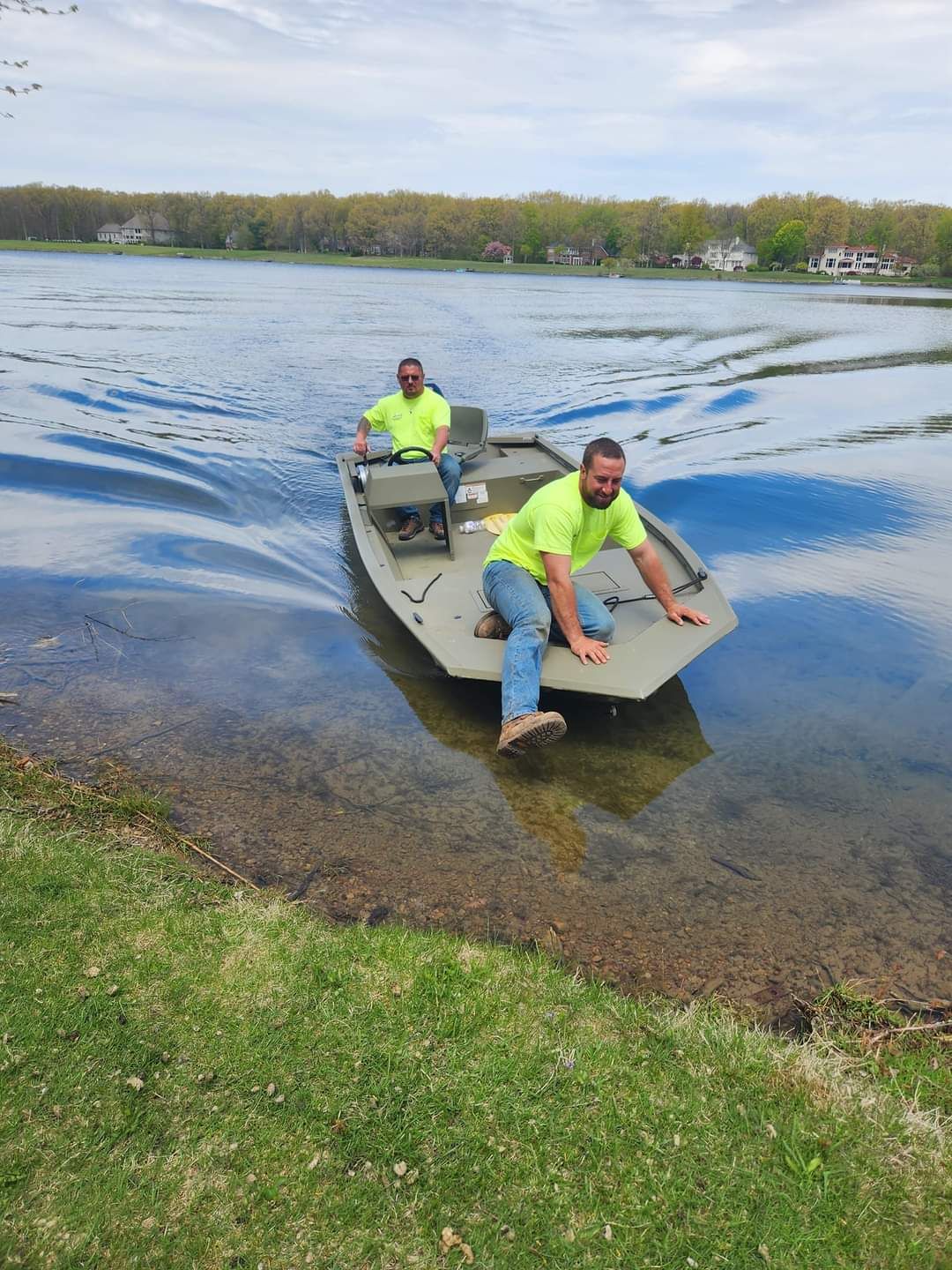
Is Pond Muck Making Your Water Feature Hard to Enjoy?
Pond muck often starts quietly, then becomes a bigger problem as organic matter builds up on the bottom. Over time, it can create odor, shallow areas, cloudy water, algae pressure, and unpleasant swimming or wading conditions.
Aquapond can inspect your pond and recommend a treatment approach based on the depth of buildup, water quality, access, shoreline conditions, and whether your pond also needs help with aeration, pond products, or a broader pond management plan.
Soft, Sludgy Bottom
Muck can make the pond bottom unpleasant to walk on and reduce the usability of swimming or shoreline areas.
Odor and Cloudy Water
Excess organic buildup can contribute to unpleasant smells, murkiness, and an unhealthy appearance in the pond.
Algae Pressure
Muck can release nutrients that help fuel algae blooms and unwanted aquatic plant growth.
Fish and Wildlife Stress
Cleaner bottom conditions can support better overall pond balance for fish, wildlife, and the surrounding ecosystem.
Pond Muck Removal in Toledo and Northwest Ohio
Aquapond helps Toledo and Northwest Ohio pond owners address muck, sludge, odor, shallow buildup, and organic material that collects along the pond bottom and shoreline. Muck problems are common in backyard ponds, farm ponds, fishing ponds, HOA ponds, and commercial water features.
Because muck can be tied to algae, poor circulation, excess nutrients, dead vegetation, and seasonal pond conditions, Aquapond starts by inspecting the pond before recommending treatment, aeration, products, or ongoing maintenance.
Organic Material Builds Up Over Time
Over time, every pond naturally accumulates a layer of organic material. Dead plants, leaves, and fish waste settle at the bottom and slowly break down into a dark, sticky sludge.
While some decomposition is normal, excessive buildup can lead to unpleasant odors, cloudy water, algae blooms, and invasive weed growth. This not only makes the pond unattractive but also disrupts the delicate ecosystem balance.
If the pond also lacks water movement or oxygen, muck problems can become worse. In those cases, Aquapond may recommend pairing muck treatment with pond aeration or seasonal maintenance.
Managing and Reducing Pond Muck
The best method for dealing with pond muck depends on its depth and severity. If your pond only has a thin layer of sediment, or if you want to prevent buildup before it becomes a problem, monthly treatments with commercially available pond cleaners can help.
These treatments contain specialized microorganisms that naturally break down organic waste while maintaining the ecological balance of your pond.
Thin Muck Layers
When buildup is mild, ongoing treatments and routine pond care may help prevent muck from becoming a larger problem.
Deeper Muck Accumulation
When muck levels are higher, Aquapond may recommend professional-grade bacterial treatments for deep accumulation and shoreline problem areas.
Why the Right Muck Removal Approach Matters
When muck levels are more significant, dredging might seem like an obvious solution. However, physically scraping out sediment often does more harm than good. It can stir up pollutants such as phosphorus and nitrogen, which can lead to larger algae blooms and faster muck return.
Instead, we recommend professional-grade bacterial treatments designed for deep accumulation and shoreline problem areas. These treatments target heavy buildup without disrupting the natural environment, helping restore water clarity and balance.
If your pond is also experiencing recurring algae, stagnant water, or unpleasant odor, Aquapond can review whether treatment should be paired with pond products, aeration, or seasonal care.
The Benefits of Healthy Water Quality
Regular muck removal and treatment not only restores the appearance of your pond but also improves water quality and oxygen levels. With proper aeration and microbial activity, the pond becomes a healthier habitat for fish and wildlife, while remaining a safe and pleasant place for people to enjoy.
Eliminating muck also helps control odors and reduces the risk of future algae outbreaks. With consistent care, your pond can remain a beautiful and valuable feature of your property throughout the summer and beyond.
Better Use
Cleaner pond bottoms make the water feature more enjoyable for swimming, shoreline use, and recreation.
Less Odor
Reducing decomposing material can help limit foul smells associated with stagnant or unhealthy pond conditions.
Healthier Balance
A cleaner pond bottom can support better water quality, oxygen levels, and fish and wildlife habitat.
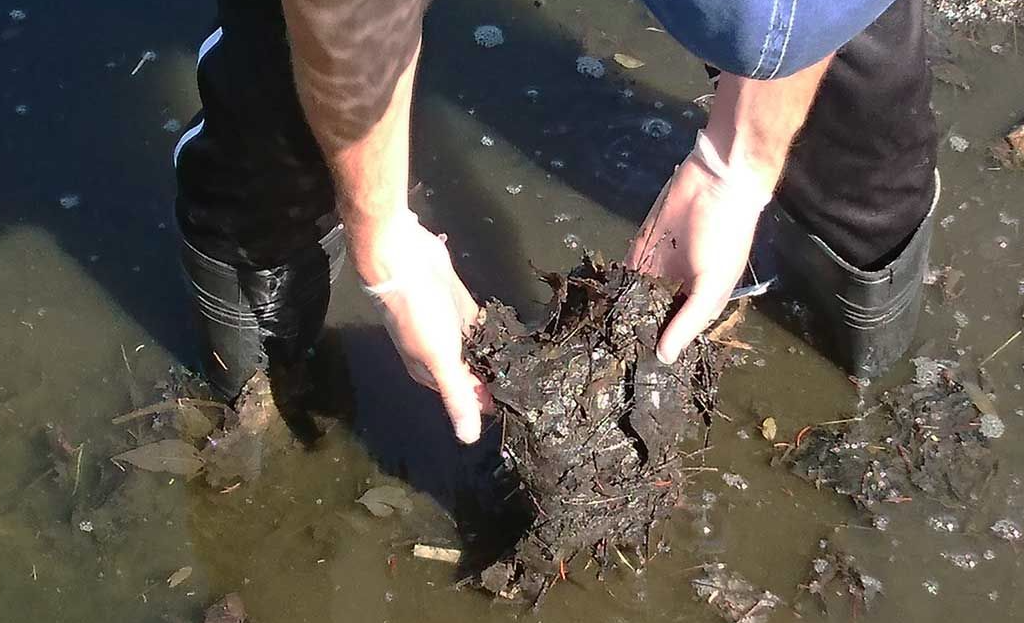
Aquapond Can Help Restore Pond Balance
If you are dealing with persistent muck in your pond or lake, Aquapond can help. Our team uses proven treatments to clear away buildup and restore balance.
The next best step is to schedule a Pond Analysis Visit so Aquapond can evaluate the severity of the muck, review pond conditions, and recommend the right approach.
Aeration Often Works Best as Part of a Pond Plan
Pond Owners Trust Aquapond
“Shawn and his team traveled a significant distance to help us with our pond. Our pond had been neglected and needed some…”
Kori Leonard
“Shawn was very knowledgable a out the issue I was haveing his team got right to work to make my pound look great. Thank you aquapond team.”
Tony Hamilton
“Fast and easy! Answered everything. Great guys.”
John
Pond Muck Removal FAQs
What causes pond muck?
Can pond muck cause odor?
Is dredging always the best solution?
Does aeration help with pond muck?
Do you provide pond muck removal in Toledo?
Ready to Clean Up Your Pond Bottom?
If you are dealing with persistent muck, sludge, odor, or poor water quality, Aquapond can inspect your pond and recommend the right next step.