
Pond Fountain Installation for Beauty, Movement, and Better Water
Aquapond installs and services pond fountains for residential ponds, farm ponds, HOA properties, commercial water features, retention ponds, and small lakes throughout Toledo and Northwest Ohio.
We can help evaluate fountain size, spray pattern, electrical requirements, water depth, placement, lighting, surface movement, and whether your pond would benefit more from a decorative fountain, bottom-diffused aeration system, or a combined approach.
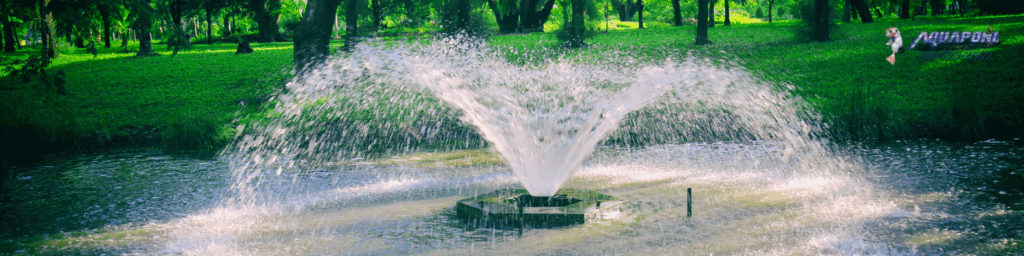
A Fountain Can Change the Look, Sound, and Health of Your Pond
A pond fountain is often chosen for appearance, but the benefits can go beyond aesthetics. Fountains add surface movement, soothing sound, visual interest, and oxygen support that can help improve the overall pond environment.
If your pond also has algae, odor, poor circulation, or fish stress, Aquapond may recommend pairing fountain installation with pond aeration, muck removal, or a broader pond management plan during your Pond Analysis Visit.
Visual Appeal
Add movement, spray patterns, and a more finished look to your pond or small lake.
Soothing Sound
The sound of moving water can make outdoor spaces feel more relaxing and inviting.
Surface Movement
Moving water creates a fresher, more active appearance than still or stagnant water.
Oxygen Support
Fountains can help support surface aeration and improve water movement in the right setting.
Pond Fountain Options & Services
Whether you need a brand-new fountain system, routine maintenance, lighting additions, or an upgrade to existing equipment, Aquapond offers full-service fountain support:
Garden Pond Fountains
Creating a garden fountain requires a pump, piping, liner, plants, and natural stones to disguise mechanics. Once complete, water flows continuously, producing both beauty and sound.
Fountains for Larger Ponds
Larger water features require specific considerations: spray pattern, motor size, depth, access, and electrical setup. Aquapond evaluates your pond to determine if a fountain, diffused aeration, or a combination is right for you.
What to Consider Before Installing a Pond Fountain
Pond Size & Depth
The fountain horsepower and float design must match your pond’s dimensions.
Spray Pattern
Different nozzle styles create distinct visual shapes, sound levels, and water droplets.
Placement
Location affects surface oxygen transfer, prevailing wind drift, and viewing angles.
Primary Goal
Determine whether your focus is aesthetic display, surface aeration, or a balance of both.
Pond Owners Trust Aquapond
“I love my pond! We have a 1 acre pond that was a swamp and Aquapond made it beautiful and installed an aerator. Best service ever.”
Kaitlyn Gabel
“Shawn is a wealth of knowledge! He is easy to talk to, bounce ideas off of, and understands EVERYTHING ponds!!”
Gloria Wells
“Fast and easy! Answered everything. Great guys.”
John
Pond Fountain Installation FAQs
Is a pond fountain just decorative?
Can a fountain help with pond aeration?
Where should a pond fountain be installed?
How do I start a fountain project with Aquapond?
Ready to Add Movement and Beauty to Your Pond?
If you are in Northwest Ohio or Southeast Michigan and need professional help installing or servicing a fountain in your pond or lake, contact Aquapond to schedule a visit.